The Studebaker name is synonymous with American automotive history, but the company’s legacy began long before cars rolled across the nation. What started as a humble blacksmith and wagon-making business evolved into one of the most recognized automobile manufacturers of the early 20th century. The transition from wagons to wheels marked a defining chapter in Studebaker’s history, showcasing resilience, innovation, and strategic vision.
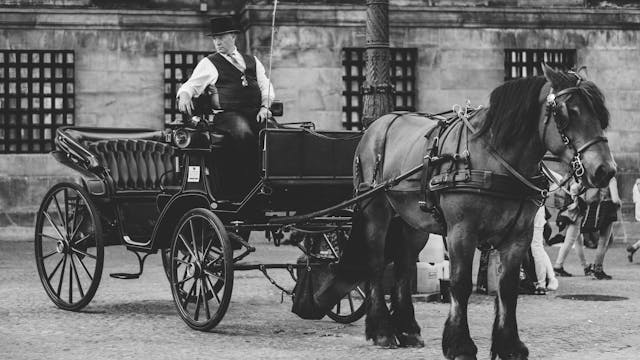
The Humble Beginnings: A Family of Blacksmiths
Studebaker’s story begins in 1852 when brothers Henry and Clement Studebaker founded the H&C Studebaker blacksmith shop in South Bend, Indiana. Initially specializing in hand-forged metal goods, the brothers soon shifted toward wagon production after recognizing the growing demand for durable, reliable transportation for settlers moving west.
Their wagons became known for their sturdy construction, helping settlers navigate treacherous terrain during America’s westward expansion. By the 1860s, Studebaker wagons were commonly used by pioneers, farmers, military forces, and everyday laborers, cementing the brand as a trusted name in transportation.
Studebaker and the American Civil War:** Spurring Growth**
During the Civil War, Studebaker secured government contracts to supply wagons for Union forces. This gave the company national exposure, increased its production capabilities, and allowed it to invest in better facilities and workforce training. After the war, Studebaker’s reputation as a premium wagon builder only grew stronger, propelling them to become the world’s largest producer of horse-drawn wagons by the late 19th century.
A New Era Approaches: The Rise of the Automobile
By the 1890s, the transportation industry was on the brink of radical change. Steam-powered and electric vehicles were being tested, and gasoline engines were emerging as a viable means of propulsion. While some traditional vehicle makers hesitated, Studebaker’s leadership, including John Mohler Studebaker, saw potential in the new technology.
Rather than resist change, the company began exploring ways to enter the automotive market while still operating its successful wagon business. This forward-thinking mindset positioned Studebaker as one of the few wagon manufacturers ready to embrace the motor age.

The First Step: Electric Cars in 1902
In 1902, Studebaker released its first automobiles—but they weren’t gasoline-powered. The company initially chose electric vehicles, believing they were more refined and user-friendly. These early Studebaker electric cars appealed to urban customers and especially women drivers who appreciated the simplicity of electric operation compared to crank-start gasoline engines.
Although sales were modest, Studebaker’s electric cars established the company as a serious contender in the automotive industry and gave them technical experience that would prove valuable in future endeavors.
Joining Forces with Gasoline Power: The Garford Partnership (1904–1911)
Recognizing the growing dominance of gasoline engines, Studebaker sought a way to enter the gasoline market without completely abandoning wagon production. In 1904, they partnered with Garford, a gasoline automobile manufacturer from Ohio. Studebaker supplied bodies and distribution while Garford handled the engines and chassis.
This arrangement allowed Studebaker to establish a presence in gasoline-powered automobiles without significant upfront risk. The Studebaker-Garford cars were well received, but the partnership had limitations due to control issues and production constraints.
Full Commitment: The E-M-F Acquisition (1909–1911)
To take full control of their automotive future, Studebaker purchased a majority stake in the E-M-F Company (Everitt-Metzger-Flanders) in 1909. E-M-F cars had strong sales potential but were plagued by quality and reliability issues. Studebaker quickly moved to improve production standards, rebrand the cars under their own name, and rebuild customer trust.
By 1911, Studebaker had completely absorbed E-M-F and officially became a full-scale automobile manufacturer under its own brand.
Saying Goodbye to Wagons
Although wagons remained part of Studebaker’s product lineup for several years, the demand for horse-drawn vehicles rapidly declined as automobiles became more accessible. By 1913, Studebaker officially ceased wagon production, marking a symbolic and economic shift from its roots to its future.
The Studebaker Automobile Identity Takes Shape
With full control over manufacturing, Studebaker introduced vehicles that stood out for their engineering, durability, and style. Popular early models like the Studebaker Light Six and Special Six helped define the brand’s identity. Studebaker positioned itself as an upscale yet practical alternative to the mass-produced Ford models and the luxury Cadillac and Packard brands.
By the 1920s, Studebaker had firmly established itself as one of America’s leading automobile manufacturers.
Innovation and Adaptability: Keys to Success
Studebaker’s successful transition from wagons to cars was driven by several key factors:
- A willingness to embrace new technology rather than resist it.
- Strategic partnerships that minimized risk and accelerated learning.
- A strong reputation for reliability that transferred from wagons to automobiles.
- An ability to scale production quickly once committed to the industry.
Legacy of the Transition
Studebaker’s shift from horse-drawn transportation to gasoline-powered automobiles remains one of the most remarkable industrial transformations in American history. The company’s evolution demonstrates how adaptability and innovation can propel a traditional business into a modern era.
Although Studebaker eventually ceased automobile production in the 1960s, its pioneering spirit and legacy of resilience continue to inspire classic car enthusiasts and historians to this day.
The journey from building wagons for pioneer trails to manufacturing sleek automobiles for bustling city streets was not an overnight transition. It was a calculated evolution fueled by vision, innovation, and an understanding of the changing needs of society. Studebaker’s successful move from wagons to wheels serves as a powerful story of transformation in the face of technological change—one that continues to captivate automobile history enthusiasts around the world.