The Studebaker Corporation remains one of the most fascinating stories in American industrial history. What began as a family blacksmith shop in the mid-19th century grew into one of the world’s leading producers of wagons and automobiles. Studebaker earned a reputation for quality, innovation, and bold design—yet by the mid-1960s, it had disappeared from the American automotive landscape. The company’s rise and fall is a tale of innovation, ambition, and the challenges of competing in a rapidly changing industry.
Humble Beginnings: From Blacksmiths to Wagon Builders
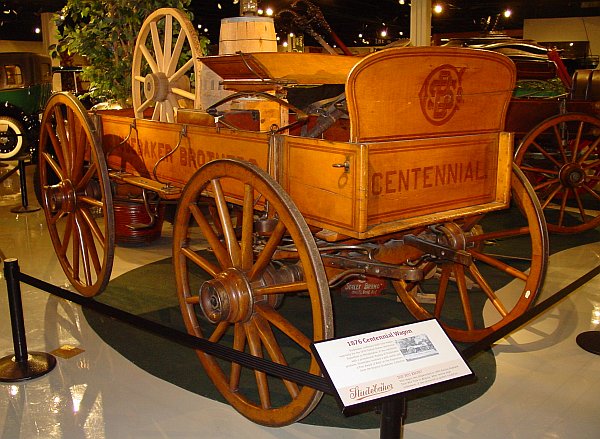
The Studebaker story started in 1852, when brothers Henry and Clement Studebaker opened a small blacksmith and wagon-making shop in South Bend, Indiana. Their timing was perfect. America was expanding westward, and settlers needed sturdy, reliable wagons to carry them across the country. The Studebaker brothers became known for craftsmanship and durability, producing wagons that helped power westward migration.
Their success accelerated during the Civil War when Studebaker received contracts to build wagons for the Union Army. This government work gave them national exposure and allowed the company to expand production. By the late 1800s, Studebaker had become the largest manufacturer of horse-drawn vehicles in the world.
Embracing the Automobile Age
While many wagon makers hesitated to enter the automobile business, Studebaker embraced the future. The company began experimenting with electric vehicles in 1902, followed by gasoline-powered cars a few years later through partnerships with other manufacturers. By 1911, Studebaker had taken full control of its own automobile production, officially transforming from a wagon company into a car manufacturer.
Studebaker’s early automobiles were well-built and stylish. They appealed to middle- and upper-class buyers who appreciated quality engineering. Models like the Light Six and Special Six in the 1910s and 1920s helped establish Studebaker as a respected name in the new automobile industry.
The Golden Years: Innovation and Expansion
The 1920s and 1930s were years of tremendous growth and innovation for Studebaker. The company became known for advanced engineering, smooth performance, and elegant design. During this period, Studebaker introduced models such as the Commander and President, which competed favorably with cars from much larger manufacturers.
Studebaker also made bold moves in design and technology. The company introduced aerodynamic styling before it became mainstream and experimented with new body materials. Even during the Great Depression, Studebaker maintained its reputation for quality and reliability, although financial strain began to take its toll.
Hard Times and Recovery
The Great Depression hit the automobile industry hard, and Studebaker was not immune. In 1933, the company went into receivership but was able to reorganize under new management. Paul Hoffman and Harold Vance led the company’s recovery, focusing on efficiency and market strategy. By the late 1930s, Studebaker was back on solid ground and ready to innovate again.
World War II: A New Mission
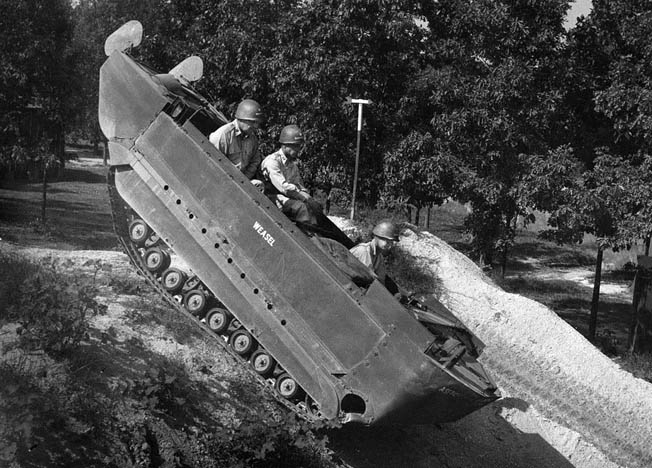
During World War II, Studebaker shifted production to support the war effort. The company built military trucks, aircraft engines, and the famous M29 Weasel—an all-terrain tracked vehicle used in snowy and rugged environments. Studebaker’s contribution to the war solidified its reputation as a company that could adapt and deliver under pressure.
After the war, Studebaker was among the first automakers to release new car designs. Their slogan, “First by far with a postwar car,” captured the public’s imagination. The sleek, modern styling of the 1947 models symbolized optimism and innovation.
The Postwar Boom and Competitive Pressure
The 1950s were both exciting and challenging for Studebaker. The company introduced several successful and stylish models, including the Champion, Commander, and later the Golden Hawk. Studebaker’s cars were known for their performance, craftsmanship, and distinctive design, often created under the guidance of renowned designer Raymond Loewy.
However, competition from the “Big Three”—General Motors, Ford, and Chrysler—became fierce. These giants had massive production capabilities and could sell cars at lower prices due to economies of scale. Studebaker, as a smaller independent automaker, struggled to compete on cost while maintaining its high standards of quality.
The Merger with Packard
By the mid-1950s, Studebaker’s financial situation had become strained. In 1954, the company merged with the Packard Motor Car Company to form the Studebaker-Packard Corporation. The merger was intended to create a stronger competitor against the Big Three, but it proved more difficult than expected. Both companies were struggling financially, and combining their operations introduced more complexity than efficiency.
Packard’s image suffered when it began using Studebaker parts and platforms, and Studebaker’s management found it difficult to reduce costs. Although the company produced some remarkable cars during this period, including the Hawk series and the compact Lark, financial losses continued to mount.
The Lark and a Brief Comeback
In 1959, Studebaker introduced the compact Lark—a smaller, more affordable car designed to compete with imports and new compact models from Detroit. The Lark was an initial success, offering good fuel economy and stylish looks. It temporarily boosted sales and gave Studebaker renewed hope.
But this momentum was short-lived. Within a few years, the Big Three introduced their own compact cars—Ford Falcon, Chevrolet Corvair, and Plymouth Valiant—which quickly overshadowed the Lark. Studebaker once again found itself squeezed out of the market it had helped create.
The Final Years and the Avanti
Determined not to go down quietly, Studebaker launched one final burst of creativity. In 1962, it introduced the Avanti, a fiberglass-bodied performance coupe with futuristic styling and advanced safety features. The Avanti was praised by critics and broke speed records, but production delays limited sales. It was a brilliant car that arrived too late to save the company.
By late 1963, Studebaker closed its South Bend plant and moved limited production to Hamilton, Ontario, Canada. The Canadian plant produced a few final models until operations officially ended in March 1966, marking the end of Studebaker as an automobile manufacturer.
What Really Happened
The fall of Studebaker was not caused by one single event but by a combination of factors:
- High production costs that made it difficult to compete on price
- A smaller dealer network compared to the Big Three
- A series of mergers and management changes that diluted focus
- Market shifts and growing consumer expectations for frequent model updates
- Limited capital for research, development, and modernization
Despite these challenges, Studebaker’s creativity and craftsmanship left an enduring legacy.
The rise and fall of the Studebaker Corporation is a story of American innovation and resilience. From its beginnings as a wagon maker to its final years producing stylish, advanced automobiles, Studebaker exemplified the spirit of ingenuity that helped shape the automotive world. Although the company ultimately could not survive the pressures of industrial consolidation, its influence continues to live on in the hearts of collectors, enthusiasts, and historians who celebrate what Studebaker achieved—and what it dared to dream.